If you have walked through the bustling streets of New Road in Kathmandu or Pako recently, you have likely noticed a common sight: crowds of people huddled around the display boards of jewelry shops, their faces a mix of concern and disbelief. In Nepal, gold isn’t just a metal; it is a sentiment, a status symbol, and the ultimate safety net for families. However, with the gold price Nepal reaching historic highs recently, that safety net is starting to feel incredibly expensive. Whether you are a bride-to-be planning your dream wedding or a savvy investor looking to diversify your portfolio, the current market volatility has everyone asking the same question: “Is it still worth buying?”
Table of Contents
Understanding the Surge: Why is Gold Getting So Expensive?
To understand why the price of gold is skyrocketing in our local market, we have to look beyond our borders. While the Federation of Nepal Gold and Silver Dealers’ Association (FENEGOSIDA) sets the daily rates, they are largely influenced by the international market. Several factors are converging to create this “perfect storm” for gold prices.
Global Economic Uncertainty and Geopolitical Tensions
Gold has always been a “safe haven” asset. When there is war, political instability, or economic recession rumors in the West or Middle East, global investors pull their money out of risky stocks and pour it into gold. This international demand directly inflates the gold price Nepal residents see on their news feeds every morning. Additionally, the fluctuation of the US Dollar against the Nepalese Rupee plays a massive role. Since gold is traded internationally in dollars, a weaker rupee means we have to pay significantly more for the same amount of yellow metal.
Central Bank Reserves
It is not just individual buyers driving up the price. Central banks around the world, including those in emerging economies, have been aggressively increasing their gold reserves. This massive institutional buying reduces the global supply, pushing the price for 24 carat gold to levels we haven’t seen in decades. For a country like Nepal, which relies heavily on imports for its gold supply, these global shifts are felt almost instantly at the retail level.
The Impact on the “Big Fat Nepali Wedding”
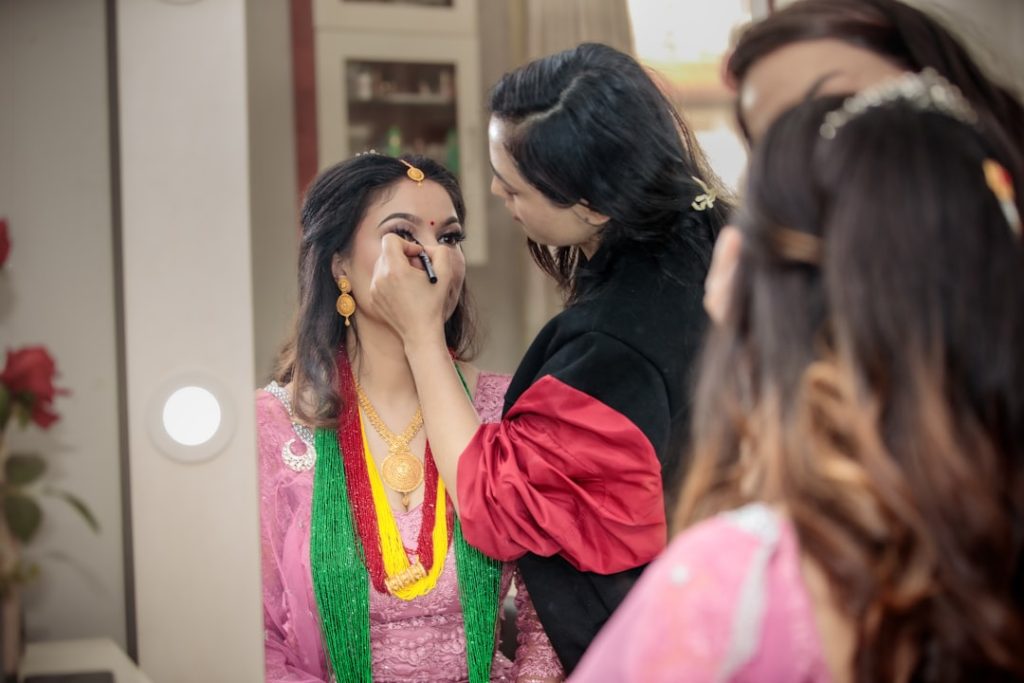
The wedding season Nepal is legendary for its grandeur, and at the heart of every ceremony is gold. From the Tilhari and Naugedi to the heavy Sikris and Churas, gold is the primary gift given to the bride. However, the recent price hike is forcing many Nepali families to rethink their traditions and budgets.
For the average middle-class family in Nepal, a wedding budget is often planned years in advance. When the price of gold jumps by 10,000 to 15,000 rupees per tola in a matter of months, it throws the entire financial plan into disarray. We are seeing a shift in consumer behavior within the Nepal jewelry market. Instead of buying brand-new heavy pieces, many families are choosing to “recycle” old family jewelry—melting down heirlooms to create modern designs to save on the base cost of the metal.
Moreover, the trend of “minimalist jewelry” is gaining traction, not just as a fashion choice, but as a financial necessity. Brides are opting for 18-carat or 14-carat gold mixed with stones, or focusing on one “statement piece” rather than a full set of heavy gold ornaments. The social pressure to flaunt gold remains high, but the reality of the wallet is starting to dictate the terms of the wedding season Nepal celebrations.
Gold as an Investment: Is the Shine Still There?
Despite the high prices, gold investment remains one of the most trusted ways for Nepalis to save money. Unlike the stock market (NEPSE), which can be volatile and requires a certain level of technical knowledge, gold is tangible. You can hold it, wear it, and most importantly, sell it at any local jeweler in times of crisis.
If you are looking at gold from an investment perspective, here is why it still makes sense:
- Hedge Against Inflation: As the cost of living in Kathmandu and other cities rises, the value of your cash decreases. Gold historically maintains its purchasing power over the long term.
- Liquidity: In Nepal, gold is as good as cash. Whether you are in a remote village or the heart of the capital, you can liquidate gold almost instantly.
- Cultural Value: Unlike a digital bank balance, gold has “use value.” It serves as an investment that can also be used during festivals and family milestones.
However, experts suggest that instead of buying jewelry for investment, one should look for “Tejabi” gold or gold coins. When you buy jewelry, you pay extra for “making charges” (Jyala) and “wastage” (Jadau), which you rarely get back when you sell the item. For pure gold investment, sticking to 24 carat gold biscuits or coins is the more financially sound path.
Navigating the Market: Practical Tips for Buyers
If you must buy gold during this period of high prices, you need to be strategic. The Nepal jewelry market can be tricky for those who don’t do their homework. Here are some practical tips to help you get the most value for your money:
- Monitor the Daily Rate: Don’t just walk into a shop. Check the official FENEGOSIDA rates online. Prices can fluctuate daily, and sometimes waiting just a week can save you thousands of rupees.
- Understand the Purity: Always insist on a hallmark. Whether you are buying 24 carat gold (99.9% pure) or 22 carat gold (91.6% pure), ensure the jeweler provides a certificate of purity.
- Negotiate Making Charges: While the price of gold is fixed, the “making charges” are not. Depending on the complexity of the design, you can often negotiate these charges down by 10-20%.
- Buy During the Off-Season: Prices often peak during Dashain, Tihar, and the main wedding months (like Magh and Phagun). If you have a wedding coming up in six months, consider buying during the “off-season” when demand is lower.
- Consider “Gold SIPs”: Many reputed jewelers in Nepal now offer “Gold Schemes” where you can deposit a small amount of money every month and lock in the gold price or accumulate weight over time. This is a great way for young professionals to start investing without a massive upfront cost.
FAQs About Gold in Nepal
What is the difference between 24 carat and 22 carat gold?
24 carat gold is 99.9% pure gold and is very soft, making it ideal for investment biscuits or coins but difficult to use for intricate jewelry. 22 carat gold contains 91.6% gold mixed with other metals like copper or zinc to make it durable enough for daily wear in jewelry.
Is it better to buy gold now or wait for the price to drop?
Gold prices are notoriously hard to predict. While there might be slight corrections, the long-term trend for the gold price Nepal has historically been upward. If you are buying for a wedding, it is often better to buy in installments rather than waiting for a massive drop that may never come.
Does the “making charge” vary between shops in Kathmandu?
Yes, making charges can vary significantly depending on the showroom’s brand value and the intricacy of the craftsmanship. Traditional shops in areas like Asan might have lower overheads compared to luxury showrooms in Durbar Marg, which is reflected in their making charges.
The Bottom Line
The surge in the gold price Nepal is undoubtedly a challenge for many, especially as we approach the peak wedding season Nepal. It has shifted the way we look at our traditions and our savings. However, the cultural and economic significance of gold in our society remains unshakable. By being a smart consumer—understanding the difference between investment and adornment, and keeping a close eye on global trends—you can still navigate this “golden” challenge without breaking the bank. Gold will always be a part of the Nepali identity; we just have to learn to be a bit more strategic about how we bring it home.
What do you think about the current gold rates? Are you delaying your jewelry purchases, or do you see this as the right time to invest? Let us know in the comments below, and don’t forget to share this guide with anyone planning a wedding this year!