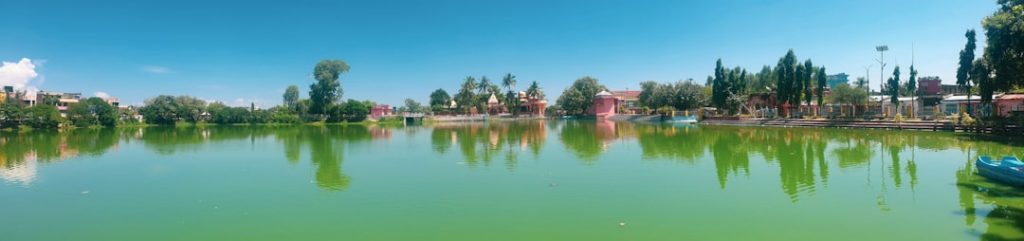
In the heart of the Terai, where the air smells of marigolds and the rhythmic chanting of “Sita-Ram” echoes across the plains, lies one of Nepal’s most profound spiritual journeys. If you have been scrolling through your social media feed and seeing vibrant photos of thousands of pilgrims walking barefoot through golden mustard fields, you are likely witnessing the Mithila cultural festival known as the Mithila Madhya Parikrama. This 15-day circumambulation is not just a religious trek; it is a deep dive into the soul of Madhesh, blending ancient history with a sense of community that is hard to find anywhere else in the world.
Table of Contents
Understanding the Essence of Mithila Madhya Parikrama
The Mithila Madhya Parikrama is a 133-kilometer journey that straddles the border between Nepal and India. For the youth in Nepal today, who are increasingly looking to reconnect with their roots, this festival represents more than just tradition—it is a living museum of the Mithila heritage. The circuit commemorates the path taken by Lord Ram and Goddess Sita after their wedding in Janakpur, covering 15 significant historical and religious sites.
The Spiritual Significance
Every year, starting from the day of Falgun Shukla Pratipada, thousands of devotees gather to walk this sacred circle. The belief is simple yet powerful: by walking this path, one cleanses their soul and pays homage to the legendary love story of the Ramayana. However, beyond the religious aspect, the Mithila cultural festival serves as a bridge between generations, where elders pass down folk songs, local legends, and the philosophy of “Mithila Paanch” (the five essentials of Mithila life) to the younger participants.
Navigating the Mithila Parikrama Route
The Mithila Parikrama route is a fascinating loop that tests your physical endurance and rewards your spirit. It traditionally begins at Kachuri in Dhanusha, carrying the palanquin (Dola) of Lord Ram from the Mithila Bihari Temple. From there, the sea of humanity moves through a series of stops, each with its own unique story.
- Kachuri & Hanumangadhi: The starting points where the energy is at its peak.
- Kalyaneshwar & Girija Sthan: These sites are located across the border in India, showcasing the “Roti-Beti” relationship between the two nations.
- Matihani & Jaleshwar: Back in Nepal, Matihani is famous for its ancient Sanskrit school, while Jaleshwar houses the temple of Lord Shiva submerged in water.
- Dhanusha Dham: A pivotal stop where it is believed a piece of the Shiva Dhanush (bow) fell after Lord Ram broke it.
- Janakpurdham: The final destination where the journey concludes with the celebration of Holi.
Walking this route is one of the most authentic ways to experience religious tourism Nepal. You aren’t just visiting a temple; you are living the geography of an epic. The logistics are managed largely by local communities, who set up free food stalls (Bhandaras) and temporary shelters, embodying the true spirit of Madhesi hospitality.
The Vibrancy of Janakpur Culture
To participate in the Parikrama is to witness Janakpur culture in its rawest, most beautiful form. Janakpur isn’t just a city; it’s an experience. During the festival, the city transforms into a kaleidoscope of colors. You will see Mithila art—characterized by its geometric patterns and depictions of nature—not just in galleries, but on the walls of village homes along the trail.
Music and Gastronomy
As you walk, the soundtrack of your journey will be the “Sohar” and “Samdaun” folk songs. These melodies have been preserved for centuries and are often sung by women in groups. And let’s talk about the food! This is the best time to indulge in authentic Madhesi cuisine. From the earthy flavors of Litti Chokha and Badi-Irdahar to the sweetness of Thekua, the culinary experience is a major highlight of Madhesh festivals.
Why Modern Travelers are Joining the Circuit
You might wonder why a 20-something from Kathmandu or Pokhara would want to walk 133 kilometers in the dust. The answer lies in the search for authenticity. In an era of curated digital experiences, the Mithila cultural festival offers something real. It is a digital detox that replaces screen time with sunrise walks and campfire conversations.
Furthermore, the rise of religious tourism Nepal has made the circuit more accessible. While the traditional pilgrims walk barefoot and sleep under the stars, modern travelers often join for specific legs of the journey, bringing their cameras to document the stunning landscapes of the Terai. It has become a “bucket list” item for those interested in photography, ethnography, and slow travel.
Practical Tips for Your Parikrama Journey
If you are planning to join the Mithila Madhya Parikrama for the first time, a little preparation goes a long way. This isn’t your standard Himalayan trek; the challenges here are different—heat, dust, and massive crowds.
- Pack Light but Smart: Carry comfortable cotton clothes, a sturdy pair of sandals (if you aren’t going barefoot), a reusable water bottle, and basic first aid for blisters.
- Respect the Customs: Always ask for permission before taking photos of people, especially during rituals. Dress modestly to honor the local traditions.
- Stay Hydrated: The Terai sun can be unforgiving. Drink plenty of water and carry some ORS packets to keep your energy levels up.
- Connect with Locals: Don’t just walk; talk to the people. The stories you’ll hear from the “Sadhu” (holy men) or the local farmers are often more enriching than any guidebook.
Remember, the Mithila cultural festival is as much about the inner journey as it is about the physical path. Whether you walk for one day or all fifteen, the sense of peace you find in the middle of the chaos is unparalleled.
Frequently Asked Questions
When is the best time to participate in the Mithila Madhya Parikrama?
The festival follows the lunar calendar, usually falling in late February or March (the month of Falgun). It culminates on the day of Fagu Purnima (Holi). It is best to check the local Nepali calendar for the exact start date each year.
Do I need to be a religious person to join the Parikrama?
Not at all! While the roots are deeply religious, the Mithila cultural festival welcomes everyone. Many people join for the cultural immersion, the physical challenge, or the opportunity to experience the unique heritage of the Madhesh region.
Is there accommodation available along the route?
Most traditional pilgrims sleep in tents or open fields provided by local committees. However, in major stops like Matihani, Jaleshwar, and Janakpur, there are local guest houses and dharamshalas. If you prefer comfort, it is wise to book ahead in the larger towns.
Conclusion: A Journey Back to the Roots
The Mithila Madhya Parikrama is more than just a 15-day walk; it is a testament to the enduring spirit of Nepal’s cultural diversity. By exploring the Mithila Parikrama route, you are not just witnessing history—you are becoming a part of it. As we move toward a more globalized world, preserving and participating in these Madhesh festivals ensures that the vibrant colors of Mithila never fade.
Have you ever visited Janakpur or participated in a cultural walk in Nepal? Share your stories in the comments below, and don’t forget to share this guide with your travel squad!