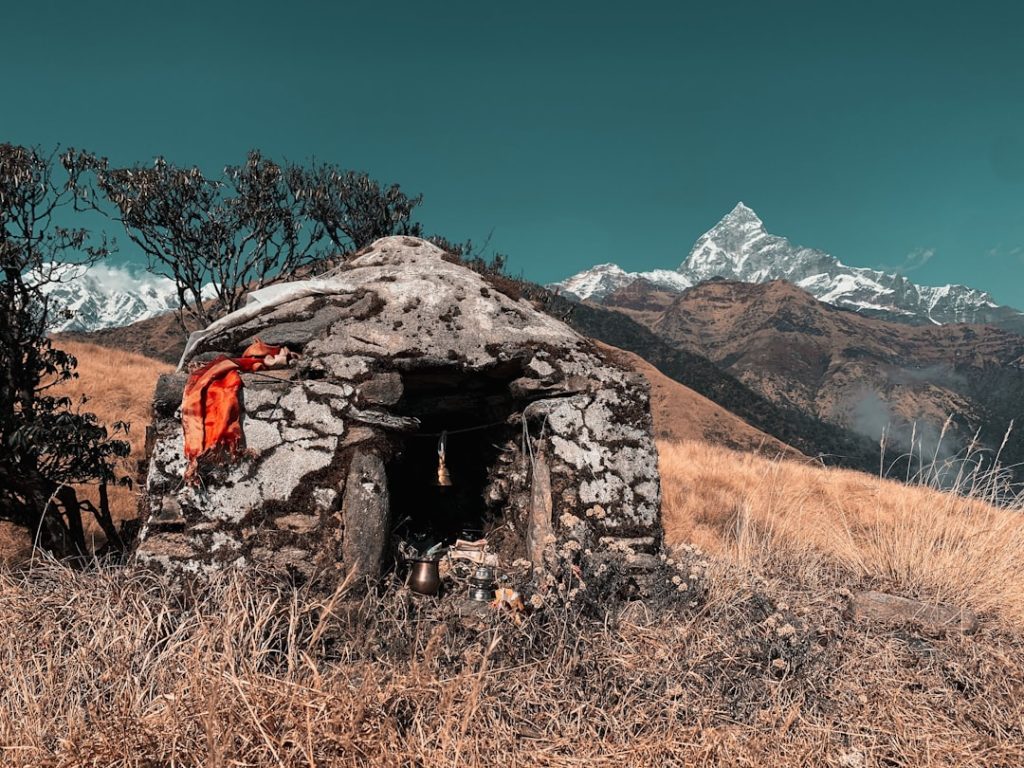
Nepal is a land where spirituality meets the sky, and for many of us, a pilgrimage is more than just a religious rite—it is an adventure of a lifetime. Whether you are seeking divine blessings or simply looking to escape the hustle of Kathmandu or Pokhara, the journey to the far eastern hills is becoming the ultimate “bucket list” experience. If you are planning your trip for the upcoming season, this comprehensive Pathibhara Darshan Guide will provide you with everything you need to know, from the winding roads of the Mechi Highway to the breathless heights of the temple itself.
The Pathibhara Devi Nepal shrine, situated at an altitude of 3,794 meters in the Taplejung district, is one of the most powerful “Shakti Peeths” in the country. In 2026, we are seeing a massive surge in domestic tourism as young Nepalis trade their clubbing weekends for “spiritual trekking.” It is not just about the prayers anymore; it is about the sunrise over the Kanchenjunga range, the rhododendron forests, and the sheer grit it takes to reach the top. This guide is designed to help you navigate the logistics so you can focus on the experience.
Table of Contents
Why Pathibhara is the Trending Destination for 2026
There is a unique “vibe” about Pathibhara that you won’t find at Pashupatinath or Muktinath. It is raw, remote, and incredibly rewarding. For the Nepali youth, the trek represents a rite of passage. Social media feeds are increasingly filled with reels of the misty trails of Taplejung, making it a viral sensation among Gen Z and Millennials who crave authentic cultural experiences mixed with physical challenges.
The Spiritual Significance
Believed to fulfill the deepest wishes of her devotees, Pathibhara Devi is often referred to as “Mastaura Devi.” Legend has it that local shepherds lost their sheep and, after dreaming of the Goddess, offered a sacrifice that led to the return of their flock. Today, thousands of people visit to offer prayers for health, success, and family well-being. Even if you aren’t deeply religious, the energy at the temple—surrounded by thousands of ringing bells and fluttering prayer flags—is undeniably powerful.
The Natural Spectacle
Beyond the temple, the geography of the region is a major draw. As you ascend, you pass through lush subtropical forests that slowly give way to alpine meadows. On a clear day, the view of Mt. Kanchenjunga (the third highest peak in the world) is so close you feel like you could touch it. This combination of “Pahad” culture and “Himal” views is what makes this Pathibhara Darshan Guide essential for your travel planning.
The Route: How to Reach Pathibhara Temple Taplejung
Getting to the Pathibhara Temple Taplejung requires a bit of patience and a lot of stamina. Depending on your budget and time, there are three main ways to reach the gateway town of Phungling.
1. By Road (The Classic Road Trip)
Most travelers prefer the road trip because it is cost-effective and scenic. You can take a night bus or a private Scorpio from Kathmandu to Birtamod or Ilam, and then head north toward Taplejung. The journey from Kathmandu takes approximately 18 to 24 hours. The road from Ilam to Taplejung is particularly beautiful, winding through tea gardens and misty hills. If you have time, we highly recommend staying a night in Ilam to acclimatize and enjoy the local scenery.
2. By Air (The Fast Track)
If you want to skip the long bus ride, you can fly from Kathmandu to Suketar Airport in Taplejung. However, please note that flights are highly weather-dependent and frequently canceled during the off-season. From Suketar, it is a shorter trek or a quick jeep ride to the starting point of the walking trail. Always have a backup plan (like a jeep contact) if you choose to fly.
3. The Trekking Path
Once you reach Phungling or Suketar, the real journey begins. Most pilgrims drive up to “Kafle Pati,” which is the furthest point vehicles can go. From there, you begin the hike. The trail passes through:
- Sano Phedi: A great spot for a quick tea break and some local chhurpi.
- Bhalo Gaunda: A steeper section that will test your legs.
- Phedi: The final resting point before the last steep climb to the temple. Many people choose to stay overnight here to catch the sunrise at the temple the next morning.
Cost Breakdown and Budgeting
Planning your finances is a crucial part of any Pathibhara Darshan Guide. While prices in Nepal are subject to change due to fuel costs, here is a general estimate for a 4-5 day trip from Kathmandu in 2026:
- Transportation: NPR 5,000 – 8,000 (Round trip by public bus/jeep). Private Scorpios can cost NPR 60,000+ for a group.
- Accommodation: NPR 1,500 – 2,500 per night. Expect basic tea houses with shared bathrooms as you get closer to the temple.
- Food: NPR 1,500 – 2,000 per day. Dal Bhat is your best friend here—it’s filling and gives you the energy needed for the climb.
- Miscellaneous: NPR 2,000 for offerings (Pooja Samagri), snacks, and emergency funds.
Total Estimated Budget: NPR 15,000 to NPR 25,000 per person for a mid-range experience.
Best Time to Visit: Timing Your Trip
Timing is everything when visiting the high altitudes of Eastern Nepal. To get the most out of your Pathibhara Darshan Guide experience, you should aim for the following windows:
Spring (March to May): This is arguably the best time. The weather is mild, and the entire trail is blooming with Rhododendrons (Lali Gurans). The visibility of the Himalayan peaks is usually excellent.
Autumn (September to November): This is the peak pilgrimage season. After the monsoon rains wash the dust away, the skies are crystal clear. This is also the time of major festivals like Dashain and Tihar, adding a festive layer to your journey.
Winter (December to February): For the brave souls! It is extremely cold, and the trail is often covered in snow. While it is beautiful, the hike becomes significantly more difficult and requires proper winter gear.
Essential Taplejung Travel Tips for a Smooth Trip
To ensure your trip is memorable for the right reasons, keep these Taplejung travel tips in mind:
- Pack for Layers: The temperature can drop drastically once the sun goes down. Carry thermals, a good down jacket, and windproof trousers.
- Stay Hydrated: Altitude sickness is a real concern. Drink plenty of water and avoid alcohol during the ascent.
- Carry Cash: ATMs are scarce once you leave Phungling Bazaar. Ensure you have enough Nepali Rupees to cover your meals and stay in the upper reaches.
- Respect Local Customs: Pathibhara is a sacred site. Maintain decorum, avoid littering, and follow the instructions of the temple priests.
- Health Kit: Carry basic medicines for headaches, stomach upsets, and bandages for blisters. Ginger and garlic are local favorites for combating altitude issues.
What to Eat and Buy
While in Taplejung, don’t miss out on the local delicacies. The region is famous for its Sukuti (dried meat), Tongba (traditional millet brew—best enjoyed after your darshan!), and organic tea. If you want to take a piece of the journey home, the local honey and handmade chhurpi are excellent souvenirs.
Frequently Asked Questions (FAQ)
Is there a cable car service to Pathibhara Temple?
As of early 2026, the Pathibhara Cable Car project has been a major topic of discussion. While construction and planning have faced various delays and local debates, it is always best to check the latest local news before your trip. Currently, most devotees still enjoy the traditional trekking route from Kafle Pati.
How difficult is the trek for beginners?
The trek is considered “moderate.” You don’t need professional climbing gear, but you do need a basic level of physical fitness. The stairs near the top can be taxing on the knees. If you take frequent breaks and maintain a steady pace, most people aged 10 to 65 can complete it successfully.
Can I find vegetarian food easily on the route?
Yes, absolutely. In fact, many pilgrims choose to eat purely vegetarian food during their journey to the Pathibhara Devi Nepal shrine out of respect for the Goddess. Dal Bhat, vegetable curry, and noodle soups are available at every tea house along the trail.
Conclusion: Ready for Your Divine Adventure?
A journey to Pathibhara is more than just a trip; it is a soul-stirring experience that combines the best of Nepal’s natural beauty and its deep-rooted traditions. By following this Pathibhara Darshan Guide, you are well-equipped to handle the logistics of the trip while immersing yourself in the spiritual atmosphere of Taplejung. Whether you are going there to seek a blessing or to find yourself amidst the mountains, Pathibhara Devi will surely leave an imprint on your heart.
Are you planning your trip to Pathibhara this year? Let us know in the comments below if you have any questions, or share your favorite memories from the trail! Don’t forget to tag trendingnetnepal.com in your travel photos so we can feature your journey on our social media!