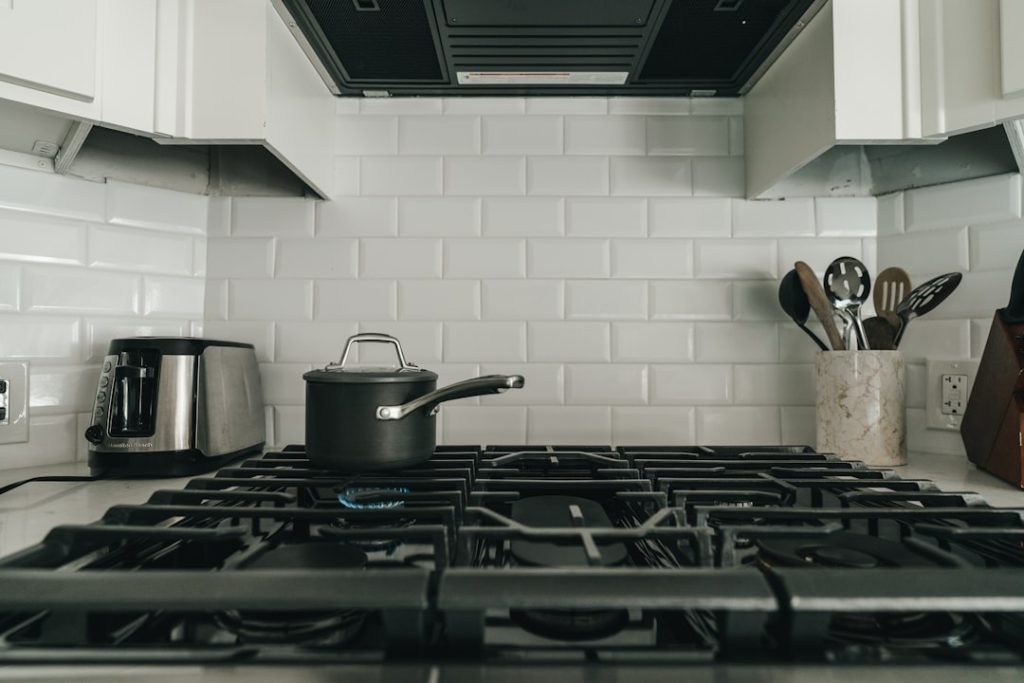
We have all been there—you are right in the middle of preparing a delicious meal of Dal-Bhat and Tarkari, the guests are about to arrive, and suddenly, the stove flame flickers and dies. The dreaded “gas sakiyo” moment is a universal struggle in our country. With the fluctuating prices of Liquefied Petroleum Gas (LPG) and the rising cost of living, learning how to save cooking gas Nepal has become a vital skill for every household. Whether you are a student living in a rented room in Kathmandu or a homemaker managing a large family in Butwal, optimizing your fuel usage can significantly impact your monthly budget.
In the Nepali context, our cooking habits often involve long simmering times and high-heat frying, which can drain a cylinder faster than expected. However, by making small, intentional changes to how we prep and cook, we can stretch the life of a single cylinder by several weeks. This guide explores practical LP gas saving tips and modern alternatives that fit the Nepali lifestyle, helping you reduce fuel cost while still enjoying your favorite traditional meals.
Table of Contents
The Importance of Pre-Cooking Preparation
One of the biggest mistakes many of us make is lighting the stove before we are actually ready to cook. In professional kitchens, this is called “mise en place,” but in our homes, we can just call it being smart. When you light the burner and then start looking for the turmeric or chopping the onions, you are literally burning money. To save cooking gas Nepal, your stove should only be on when there is a pot ready to be heated.
Always ensure that your vegetables are washed and chopped, your spices are within reach, and your meat is properly defrosted before you turn the regulator on. Using Nepali kitchen hacks like soaking your lentils (Dal) or beans (Gedi-gudi) for at least 30 minutes before cooking can reduce the number of pressure cooker whistles required by nearly half. This not only saves gas but also makes the pulses easier to digest.
Optimizing Your Cookware and Maintenance
The condition of your stove and the type of utensils you use play a massive role in fuel efficiency. Have you ever noticed a yellow or orange flame instead of a sharp blue one? A yellow flame is a sign of incomplete combustion, meaning your burner is clogged and wasting gas. Cleaning your burner heads regularly with a pin or an old toothbrush can restore that efficient blue flame, which is much hotter and uses less fuel.
Furthermore, the size of the pot should match the size of the burner. If you are using a small “karai” on a large burner, the flames will lick the sides of the vessel, wasting heat into the air rather than heating the food. Always use lids while cooking. Cooking without a lid allows steam and heat to escape, forcing the stove to work harder and longer to achieve the same result. Covering your pots can speed up the cooking process by up to 30%.
Transitioning to Induction Cooking in Nepal
With the Nepal Electricity Authority (NEA) encouraging the use of domestic electricity, induction cooking Nepal has become a game-changer. While we traditionally rely on LPG, the cost per meal is often lower when using an induction stove, especially with the current electricity tariffs. Many Nepali households are now adopting a “hybrid” model—using induction for boiling water, making tea, and cooking rice, while reserving the gas stove for deep frying or items that require a specific “bhuteko” flavor.
Switching even one meal a day to an electric induction cooktop can extend your gas cylinder’s life by a month or more. It is faster, safer, and much easier to clean. As the infrastructure in Nepal improves, moving away from total dependence on imported fossil fuels is both an economical and an environmental win for the average consumer.
10 Practical Tips to Save Cooking Gas in Nepal
If you are looking for a quick checklist to lower your kitchen expenses, here are ten actionable LP gas saving tips that every Nepali household should follow:
- Wipe Your Utensils Dry: Never put a wet pot or pan on the stove. The flame first has to waste energy evaporating the water on the outside of the vessel before it can start cooking the food inside.
- Use the Pressure Cooker: The pressure cooker is the hero of the Nepali kitchen. Use it for everything from rice and Dal to meat and hard vegetables. It is significantly faster than open-pot cooking.
- Soak Your Grains: Whether it is rice, chickpeas, or Rajma, soaking them for a few hours reduces the cooking time drastically.
- Keep the Flame Moderate: High heat isn’t always faster; often, it just burns the bottom of the food and wastes gas. A medium flame is usually the most efficient setting for even cooking.
- Check for Leaks: A small leak in the pipe or the regulator is not only a safety hazard but also a constant drain on your gas supply. Use soapy water to check for bubbles around the joints.
- Use Lids Constantly: Covering your pan traps the heat. This is a simple but effective way to reduce fuel cost every single day.
- Cook in Bulk: If you are making “Roti” or “Sel-roti,” make enough for the day in one go. Reheating a small amount of food several times uses more gas than cooking it all at once.
- Thaw Frozen Food: If you keep meat or frozen vegetables in the fridge, let them reach room temperature before putting them on the stove. Cooking frozen food directly consumes massive amounts of energy.
- Measure Your Water: Don’t use three liters of water to boil a few potatoes. Use just enough water to cover the food. More water means more time and gas needed to reach boiling point.
- Turn Off the Regulator: Make it a habit to turn off the regulator at night or when you are leaving the house to prevent any micro-leaks from wasting fuel.
The Impact of Small Changes
It might seem like saving five minutes of burner time here and there wouldn’t matter, but consistency is key. If the average household saves just 10% of their gas daily, they could potentially save the cost of two full cylinders per year. In a country where inflation impacts our daily “thali,” these Nepali kitchen hacks provide a sense of control over our domestic finances. Moreover, by reducing our LPG consumption, we collectively reduce the national trade deficit, as Nepal imports all of its petroleum products.
Frequently Asked Questions (FAQ)
How can I tell if my gas cylinder is almost empty?
While some people shake the cylinder, the most accurate way is the “wet cloth test.” Wrap a wet cloth around the side of the cylinder for a minute. Remove it and wait. The part of the cylinder that has gas will stay cool and wet longer, while the empty upper portion will dry quickly because gas absorbs heat.
Is induction cooking really cheaper than LPG in Nepal?
Yes, based on current electricity rates and LPG prices, induction cooking Nepal is generally 20-30% cheaper for boiling and simmering tasks. However, it requires induction-compatible cookware (iron or stainless steel with a flat magnetic base).
Does the color of the flame really matter for gas consumption?
Absolutely. A blue flame indicates that the gas is burning at its highest temperature and efficiency. A yellow or orange flame means the burners are dirty and you are getting less heat for the same amount of gas, which will eventually soot up your pots and waste fuel.
Conclusion
Managing a household in Nepal requires resilience and smart planning. By implementing these tips to save cooking gas Nepal, you are not just saving money; you are practicing a more sustainable and efficient way of living. From the simple act of covering your pots to the more significant step of integrating induction stoves into your kitchen, every bit helps. Start by soaking your Dal tonight and cleaning your burners tomorrow—your wallet will thank you at the end of the month!
Did you find these tips helpful? Share this post with your friends and family to help them save on their kitchen bills too! For more lifestyle and budget-saving tips in Nepal, stay tuned to Trending Net Nepal.