If you have been following the news or scrolling through social media in Nepal over the last couple of years, you have undoubtedly noticed a small, cross-like symbol pinned to the lapel of Kathmandu’s Mayor, Balen Shah. While some initially mistook it for a simple fashion accessory, it quickly became a point of curiosity for millions. This intricate piece is much more than a brooch; it is a powerful emblem of the Kirat community. Understanding the Silam Sakma meaning is essential to appreciating the deep-rooted cultural identity that Balen Shah and many others are bringing into the modern spotlight.
Nepal is a mosaic of diverse ethnicities, each with its own set of rituals, stories, and symbols. However, few symbols have gained as much mainstream visibility recently as the Silam Sakma. For the youth of Nepal, who are often caught between global trends and local traditions, seeing such a profound piece of Nepali traditional jewelry worn by a contemporary leader has sparked a massive revival of interest in indigenous roots. In this post, we will dive deep into the origins, the mythology, and the modern-day impact of this Kirat treasure.
Table of Contents
What Exactly is the Silam Sakma?
To understand the Silam Sakma meaning, we have to look at the etymology of the words in the Kirat (specifically Limbu) language. The term is a combination of three words: ‘Si’ meaning death, ‘Lam’ meaning way or path, and ‘Sakma’ meaning to block or close. Put together, Silam Sakma literally translates to “blocking the path of death.”
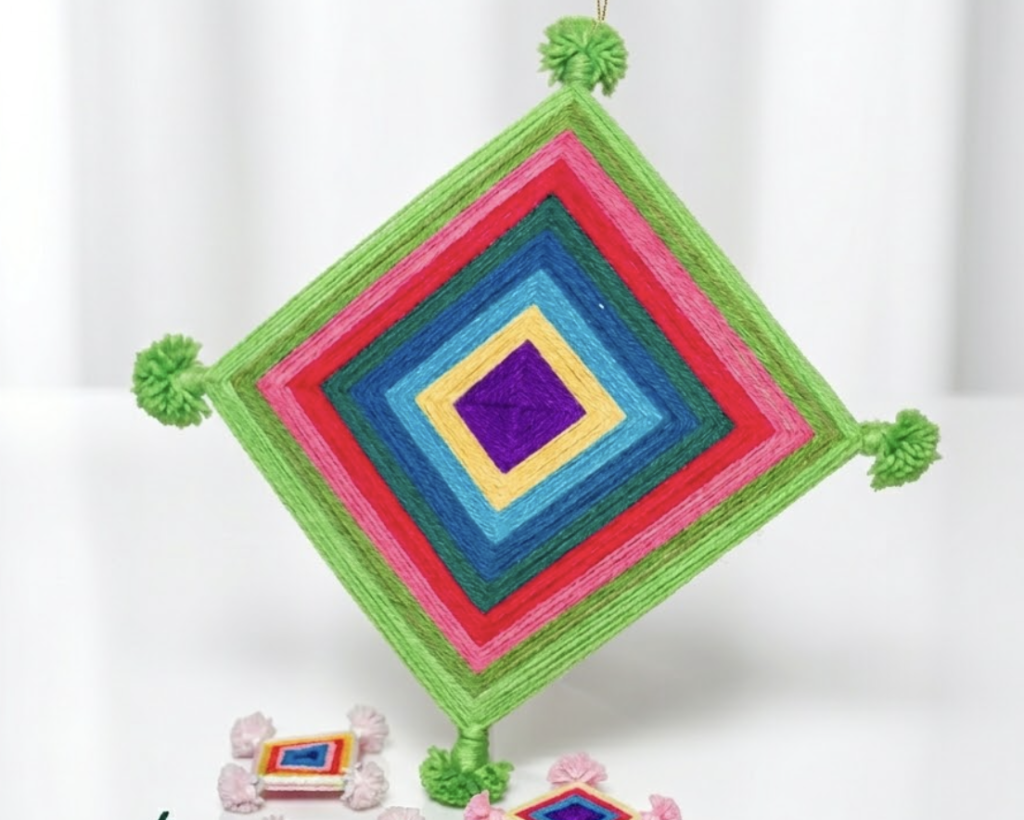
Visually, it consists of two crossed sticks or metal bars, often enclosed within a diamond or square frame. Traditionally, it was crafted using bamboo or wood and tied with white and red threads. Today, it is more common to see it made from brass, silver, or gold, functioning as a sophisticated pin or brooch. It is one of the most recognizable Kirat cultural symbols, representing the protective shield that guards a person against the “evil eye” and the premature arrival of death.
The Mythology Behind the Symbol
The significance of the Silam Sakma is deeply embedded in the Mundhum, the ancient oral tradition and religious scripture of the Kirat people. According to legend, there were two brothers, one of whom was a mortal and the other a spirit of death. The spirit of death intended to take the life of his mortal brother. To protect himself, the mortal brother used a specific geometric pattern made of bamboo to confuse the spirit and block his path.
This “barrier” became the Silam Sakma. It is believed that the symbol represents the four directions and the balance of the universe. When a Kirat person wears it, they are symbolically stating that they are protected by their ancestors and the natural forces of the world. It serves as a reminder of the thin line between the physical and spiritual realms, a concept that remains central to the Silam Sakma significance in daily life.
The “Balen Effect”: Why the Symbol is Trending
While the Kirat community has worn this symbol for centuries during rituals, weddings, and festivals, its sudden surge in popularity among the wider Nepali public is largely attributed to the Balen Shah dress code. By consistently wearing the Silam Sakma on his formal suits, Balen Shah has managed to bridge the gap between traditional heritage and modern governance.
For many young Nepalis, seeing a high-profile figure embrace his roots so boldly is inspiring. It has moved the symbol from the realm of “ethnic wear” to “national pride.” The Balen Shah dress choice isn’t just about aesthetics; it is a political and cultural statement. It signals an inclusive approach to Nepali identity, where the symbols of indigenous groups like the Rai, Limbu, Sunuwar, and Yakkha are given equal weight to the more historically dominant symbols of the state.
This visibility has led to a surge in demand for the symbol. Local artisans in Kathmandu and Dharan have reported a significant increase in the production of Silam Sakma pins, as people from various ethnic backgrounds now wear them as a mark of solidarity and respect for Nepal’s indigenous history.
The Cultural Significance in Modern Nepal
The Silam Sakma significance extends beyond its protective powers. In the modern context, it has become a symbol of the “Indigenous Renaissance” in Nepal. As the country moves further into its federal democratic era, there is a growing desire among the 18-40 age demographic to reclaim and celebrate their specific ethnic identities rather than conforming to a singular, homogenized version of “Nepalinaness.”
- Identity and Recognition: For the Kirat people, seeing the Silam Sakma on national television is a form of validation. It acknowledges their presence and their contribution to the cultural fabric of Nepal.
- Spiritual Protection: Even today, during funeral rites or when traveling to distant lands, many Kiratis carry or wear the symbol to ensure safe passage and to keep negative energies at bay.
- Artistic Expression: The geometric precision of the Silam Sakma has inspired Nepali graphic designers, tattoo artists, and jewelers, making it a staple in modern Nepali traditional jewelry collections.
By wearing this symbol, individuals are not just accessorizing; they are carrying a story of survival, ancient wisdom, and the unbreakable bond between humans and the spirit world.
How to Respectfully Wear and Support Kirat Culture
As the Silam Sakma meaning becomes more widely known, many people who are not of Kirat descent are interested in wearing the symbol. While cultural appreciation is generally welcomed, it is important to do so with respect and understanding. Here are a few ways you can engage with this tradition meaningfully:
- Learn the History: Before pinning it on your coat, take a moment to understand the Mundhum stories. Knowing that it represents “blocking the path of death” gives the object much more weight.
- Buy from Local Artisans: Instead of buying mass-produced, low-quality replicas, seek out Kirat craftsmen who understand the traditional proportions and materials used in making the symbol.
- Wear it with Dignity: Since it is a protective spiritual symbol, it should be treated with respect. Avoid wearing it in contexts that might be considered disrespectful to the Kirat faith.
- Support Indigenous Businesses: Use your platform to highlight other Kirat cultural symbols and traditions, helping to keep the diverse heritage of Nepal alive and thriving.
Frequently Asked Questions (FAQ)
Can anyone wear a Silam Sakma, or is it only for Kirat people?
While the Silam Sakma is an indigenous Kirat symbol, it has increasingly become a symbol of national pride in Nepal. Most members of the Kirat community welcome others wearing it as a sign of respect and cultural appreciation, provided it is worn with dignity and an understanding of its spiritual meaning.
What materials are traditionally used to make Silam Sakma?
Traditionally, it was made from natural materials like bamboo or wood and bound with red and white threads. In modern times, it is commonly crafted from metals like brass, silver, or gold to be worn as a brooch on suits or Daura Suruwal.
Is the Silam Sakma related to any specific religion?
Yes, it is deeply tied to the Kirat religion and the Mundhum. It is not just a decorative item but a religious and spiritual tool used to ward off death and evil spirits, making it a sacred object within the Kirat belief system.
Conclusion: A Symbol for a New Nepal
The story of the Silam Sakma is a testament to the resilience of Nepal’s indigenous cultures. From its ancient origins in the Mundhum to its current status as a trending accessory on the streets of Kathmandu, the Silam Sakma meaning remains rooted in the idea of protection and identity. Whether you are wearing it because you admire the Balen Shah dress style or because you have a deep personal connection to your Kirat heritage, you are participating in a living history.
As we move forward, let us continue to celebrate these unique symbols that make our country so vibrant. If you found this guide helpful, share it with your friends to spread awareness about the rich significance of the Silam Sakma. Do you own one? Tell us what this symbol means to you in the comments below!