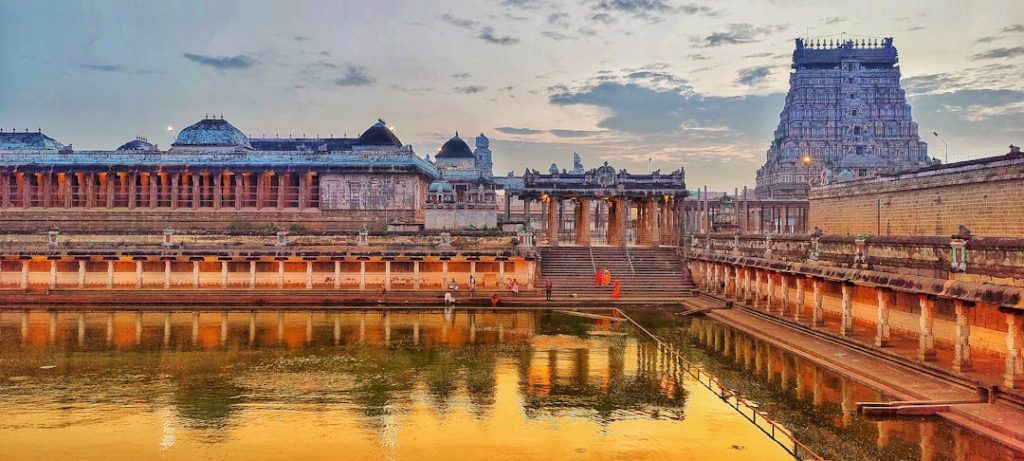
For many of us in Nepal, the idea of a vacation often swings between the cool hills of Pokhara or the bustling shopping streets of Bangkok. But have you ever considered heading south—deep south? South India travel offers a world that feels both strangely familiar and wonderfully exotic to a Nepali soul. While we share a deep-rooted Hindu heritage, the transition from the rugged Himalayas to the palm-fringed coasts of the Indian peninsula reveals a completely different side of the subcontinent. Whether you are seeking spiritual solace, architectural marvels, or a culinary adventure that goes beyond the standard dal-bhat, South India is a destination that resonates deeply with our cultural sensibilities.
Table of Contents
The Cultural Tapestry: Why Nepalis Feel at Home in South India
Stepping off a plane in Chennai or Kochi, the first thing you notice is the heat, followed immediately by the vibrant colors. For a Nepali traveler, the cultural connection is instantaneous. Much like our own festivals, the South is a land of processions, traditional music, and deep-seated devotion. However, the rhythm of life here is distinct. While we are used to the Pagoda and Shikhara styles of architecture, the South greets you with towering Gopurams—massive gateway towers adorned with thousands of colorful deities.
There is a shared sense of respect and hospitality that mirrors our “Atithi Devo Bhava” philosophy. You will find that people are incredibly polite, and despite the language barrier (with Tamil, Telugu, Kannada, and Malayalam being the primary tongues), a smile and a few English or Hindi words go a long way. For the younger Nepali demographic, the blend of high-tech cities like Bangalore with the ancient traditions of places like Madurai provides a perfect balance of modernization and heritage.
Spiritual Landmarks: Exploring Majestic South Indian Temples
For many Nepali families, a trip to the south is incomplete without a pilgrimage. The South Indian temples are not just places of worship; they are architectural wonders that have stood the test of time for over a millennium. If you have grown up visiting Pashupatinath, the scale and precision of the temples here will leave you breathless.
The Madurai Meenakshi Amman Temple
Located in the heart of Madurai, this temple is a masterpiece of Dravidian architecture. With 14 gopurams and an estimated 33,000 sculptures, it is a labyrinth of spiritual energy. Walking through the “Hall of a Thousand Pillars” feels like stepping back into a golden era of Indian history.
Rameshwaram: The Southern Kashi
For Nepalis, Rameshwaram holds a special place as one of the Char Dhams. It is believed that a pilgrimage to Kashi (Varanasi) is incomplete without a visit to Rameshwaram. The ritual of bathing in the 22 holy wells (Teerthams) before entering the main sanctum is an experience that stays with you forever. The long, carved corridors of the Ramanathaswamy Temple are the longest in the world and are a must-see for any photography enthusiast.
The Ultimate Route: From Chennai to Kerala
If you are planning a comprehensive trip, the route from Chennai to Kerala is perhaps the most rewarding. This journey takes you from the Bay of Bengal on the east coast to the Arabian Sea on the west, cutting through the heart of Tamil Nadu and the Western Ghats.
Starting in Chennai, you can explore the shore temples of Mahabalipuram, a UNESCO World Heritage site. From there, head south to the French-influenced town of Pondicherry, where the cobblestone streets and yellow villas offer a stark contrast to the traditional Indian landscape. As you move toward the west, the dry plains of Tamil Nadu give way to the lush, emerald greenery of Kerala. Known as “God’s Own Country,” Kerala offers a serene escape. A houseboat stay in the backwaters of Alleppey or a visit to the tea gardens of Munnar provides the kind of tranquility we often seek in places like Nagarkot, but with a tropical, coastal twist.
A Foodie’s Paradise: The Ultimate Vegetarian Food Guide
One of the biggest concerns for Nepali travelers is often the food. Fortunately, South India is a paradise for those who prefer plant-based diets. Our vegetarian food guide for the region begins with the realization that “South Indian food” is much more than just Masala Dosa.
- The Traditional Sadhya: Served on a banana leaf, this is a feast of rice, sambar, rasam, avial (mixed vegetables in coconut), and various pickles. It is the southern equivalent of our Thakali set, but with a focus on coconut and tamarind flavors.
- Breakfast Staples: Forget the heavy parathas; here, breakfast is light and fermented. Try the fluffy Idlis, crispy Vadas, and the Appam with vegetable stew.
- Filter Coffee: For the caffeine addicts used to Himalayan beans, the South Indian filter coffee—served in a stainless steel tumbler and dabarah—is a game-changer. It is strong, frothy, and aromatic.
- The Spice Factor: Be warned—South Indian “spicy” is different from Nepali “spicy.” While we use a lot of cumin and turmeric, they use black pepper and dried red chilies that can pack a serious punch. Always ask for “less spicy” if you aren’t ready for the heat!
Planning Your Journey: Travel from Nepal
Organizing travel from Nepal to South India has become significantly easier over the last decade. While there are no direct flights from Kathmandu to cities like Chennai or Kochi yet, the connections via Delhi, Mumbai, or Bangalore are frequent and well-timed.
For the budget-conscious traveler, taking a train from Gorakhpur or Raxaul is a classic experience. The journey can take 36 to 48 hours, but it offers a window into the changing landscapes of India that you simply cannot see from 30,000 feet. If you are a group of friends or a young couple, the train journey can be a bonding experience in itself, filled with chai, conversations with locals, and the ever-changing scenery outside the window.
Practical Tips for the Nepali Traveler
- Weather Awareness: Unlike the pleasant Kathmandu weather, South India can get incredibly humid. The best time to visit is between October and March. Avoid the peak summer months of April and May unless you want to experience 40-degree Celsius heat.
- Clothing: While cities like Bangalore are very modern, temples have strict dress codes. Men may be required to wear a dhoti or veshti, and women should opt for sarees or modest kurtas. Always carry a light shawl.
- Currency and Payments: While UPI (digital payment) is everywhere in India, as a Nepali citizen, you might face some hurdles with digital apps. Always carry enough Indian Rupee (INR) in cash, but remember that 200, 500, and 2000 denomination notes from India are technically restricted for carriage across the border. Use smaller denominations or exchange through official channels.
- Language: Most people in the tourism industry speak English. Hindi is understood in major cities but might not be as effective in rural parts of Tamil Nadu or Kerala. Learning a few basic words like “Nanni” (Thank you in Malayalam) or “Nandri” (Thank you in Tamil) goes a long way in winning hearts.
Frequently Asked Questions (FAQ)
1. Do Nepalis need a visa to travel to South India?
No, Nepali citizens do not need a visa to enter India. You can travel, work, and stay in India freely under the 1950 Indo-Nepal Treaty of Peace and Friendship. However, it is always wise to carry a valid Nepali Passport or a Voter ID card issued by the Election Commission for identification at airports and hotels.
2. Is South India safe for solo female travelers from Nepal?
Generally, South India is considered one of the safest regions in India for women. States like Kerala and Tamil Nadu have high literacy rates and a respectful culture. However, standard travel precautions apply: avoid late-night solo commutes in isolated areas and use reputable transport apps like Uber or Ola.
3. How much does a 10-day South India trip cost?
For a mid-range traveler, a 10-day trip covering two or three major cities can cost between NPR 60,000 to NPR 90,000 per person, including flights, decent accommodation, and food. This can be significantly cheaper if you choose to travel by train and stay in budget guesthouses.
South India is more than just a destination; it is a sensory experience that challenges your perceptions and warms your heart. From the rhythmic chanting in the ancient halls of South Indian temples to the calming breeze of the Kerala backwaters, it offers a perfect escape for any Nepali looking to explore beyond the familiar. So, pack your bags, leave the heavy woolens behind, and get ready to discover the tropical soul of the south. Your South India travel story is waiting to be written—don’t forget to share your photos with us on Instagram when you get there!
Have you ever been to South India or is it on your bucket list? Let us know in the comments below, and don’t forget to share this guide with your travel squad!