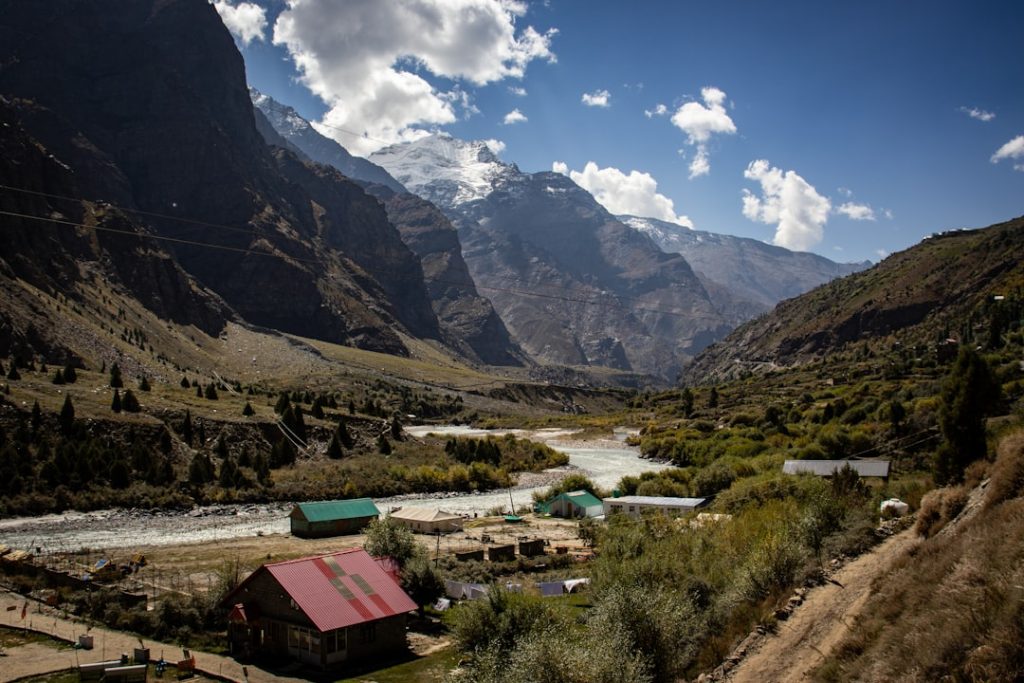
When we think of adventure in Nepal, our minds often drift toward the snow-capped peaks of the Everest region or the lakeside chill of Pokhara. However, there is a whole other world waiting to be discovered in the Mid-Western region of our beautiful country. If you are tired of the crowded trails and looking for something truly pristine, Bheri River travel offers an experience that feels like a well-kept secret. Known for its mesmerizing turquoise hues, the Bheri River is more than just a body of water; it is a lifeline for the local communities and a sanctuary for those seeking peace away from the urban hustle of Kathmandu or Butwal.
Table of Contents
The Mystique of the Blue Water River
What sets the Bheri apart from other major rivers like the Trishuli or the Sun Koshi? It is the color. Often referred to as a premier blue water river, the Bheri maintains a stunning clarity that is rare in the lower altitudes of Nepal. Originating from the Dolpo region—a place already shrouded in myth and high-altitude beauty—the river carries the spirit of the Himalayas through the rugged landscapes of Surkhet and beyond.
For many Nepali travelers, the “West” has always felt a bit far and unreachable. But with better road connectivity and domestic flights to Surkhet, the Bheri is becoming a centerpiece for Western Nepal tourism. The river is divided into two main branches: the Thuli Bheri and the Sani Bheri. While the Thuli Bheri is wild and untamed, the main Bheri River offers a gentler, more poetic journey through lush forests, traditional Magar villages, and white sandy beaches that look like they belong on a tropical island rather than a landlocked Himalayan nation.
Adventures on the Water: Bheri River Rafting
If you are looking for an adrenaline rush that doesn’t necessarily involve jumping off a bridge, Bheri River rafting is the perfect middle ground. Unlike the high-intensity Class IV and V rapids found in the Karnali, the Bheri offers Class II and III rapids. This makes it an ideal destination for beginners, families, or groups of friends who want to enjoy the scenery without being in constant “survival mode.”
The rafting journey typically starts near Birendranagar, Surkhet. As you float down the river, you are treated to a changing canvas of landscapes. One moment you are passing through deep gorges with towering cliffs, and the next, the valley opens up into wide plains. The best part? The water is surprisingly warm compared to the glacial melt of the eastern rivers. You can jump in for a swim, practice your paddling, or simply drift along while watching the local wildlife. It is common to see various bird species, and if you are lucky, you might even spot a gharial or a mugger crocodile sunning itself on the banks as you approach the confluence with the Karnali River.
Fishing and Wildlife: A Nature Lover’s Paradise
Beyond the rapids, the Bheri is a legendary spot for fishing. Anglers from across Nepal and even international tourists visit these waters in search of the Golden Mahseer. This “tiger of the water” is a prized catch, and the Bheri is one of the few places where you can still find them in significant numbers. Most fishing trips here follow a “catch and release” policy to ensure the sustainability of the river’s ecosystem.
The river also acts as a corridor for wildlife moving through the Bardiya National Park. As your Bheri River travel itinerary concludes near the park boundaries, the transition from river life to jungle life is seamless. It is one of the few places in the world where you can spend your morning on a raft and your afternoon on a jungle safari looking for Royal Bengal Tigers.
The Cultural Tapestry of the Mid-West
Traveling to the Bheri River isn’t just about the water; it is about the people who live along its banks. The Mid-Western region of Nepal is rich in culture, primarily inhabited by Magar, Tharu, and Chhetri communities. Unlike the commercialized trekking routes of the Annapurna, the hospitality here is raw and genuine. You won’t find many “luxury boutiques” here, but you will find “homestay” experiences that offer the best dal-bhat and local sidra (dried fish) you have ever tasted.
Stopping at a riverside village allows you to see a side of Nepal that remains untouched by globalization. You will see traditional fishing techniques, children playing in the shallows, and farmers tending to orange groves. Engaging with the locals gives you a deeper appreciation for why Western Nepal tourism is so vital—it brings economic opportunities to these remote areas while allowing us to preserve our diverse heritage.
Practical Tips for Your Bheri River Trip
Planning a trip to this part of the country requires a bit more preparation than a standard trip to Pokhara. Here is a quick guide to help you get started:
- Best Time to Visit: The ideal window is from October to December and from March to May. During these months, the water is at its most beautiful blue, and the weather is pleasant—neither too hot nor too cold.
- How to Get There: You can take a 1-hour flight from Kathmandu to Surkhet or a long-distance bus (approx. 12-14 hours). From Surkhet, local transport or private jeeps can take you to the various put-in points on the river.
- What to Pack: Lightweight clothing, a good sunblock (the reflection off the water is intense), a waterproof dry bag for your electronics, and a sturdy pair of river sandals.
- Permits: If you are planning to fish or enter the Bardiya National Park area, ensure you have the necessary permits from the local authorities or through your travel agency.
What You Can Do: A 3-Day Sample Itinerary
- Day 1: Arrival in Surkhet. Explore the Kakrebihar temple ruins and prepare for the river journey. Stay overnight in Birendranagar.
- Day 2: The River Journey Begins. Start your rafting or kayaking trip. Spend the day navigating gentle rapids and enjoying a riverside picnic. Camp overnight on a white sand beach under the stars.
- Day 3: Confluence and Wildlife. Continue floating down to the confluence where the Bheri meets the Karnali. Transfer to Bardiya National Park for an evening jungle walk.
Frequently Asked Questions (FAQ)
Is Bheri River rafting safe for beginners?
Yes, absolutely! The Bheri River is considered one of the best rivers for beginners and intermediate rafters. The rapids are generally Class II or III, which provide excitement without being overly dangerous. However, always go with a certified rafting agency and wear the provided safety gear, including life jackets and helmets.
Can I visit the Bheri River during the monsoon?
While the river is technically there, it is not recommended for travel or adventure activities between June and September. The “blue water” turns muddy and brown due to sediment, and the water levels can rise unpredictably, making rafting and camping unsafe.
Is there mobile network coverage along the river?
In the main towns like Surkhet, you will have excellent 4G coverage. However, as you move deeper into the river canyons and camp on the banks, the signal can be very spotty or non-existent. It is the perfect opportunity to have a “digital detox” and connect with nature.
The Bheri River is a reminder that Nepal’s beauty extends far beyond the popular postcards we see every day. It is a place of vibrant colors, gentle adventures, and deep cultural roots. Whether you are a solo traveler looking for a new challenge or a group of friends wanting to explore the road less traveled, Bheri River travel promises an experience that will stay with you long after the sand has been washed off your sandals. So, why wait? Pack your bags, head west, and witness the magic of Nepal’s hidden blue waters for yourself. Don’t forget to share your photos and tag us at Trending Net Nepal!