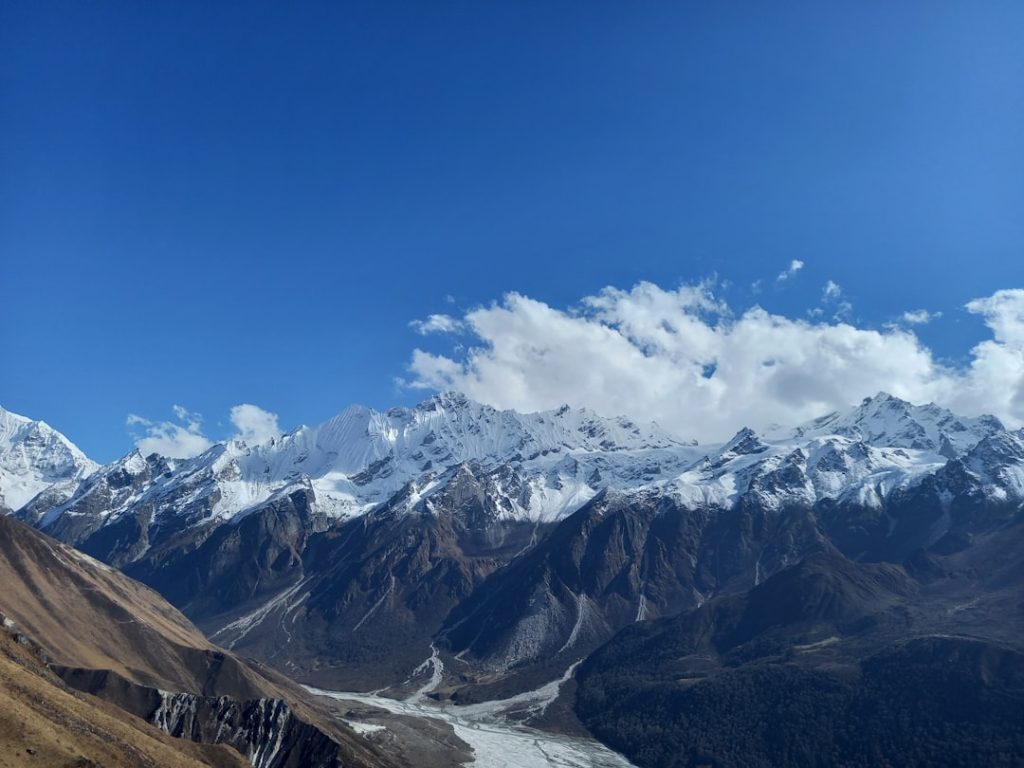
If you are living in the hustle of Kathmandu in 2026, the mountains aren’t just a view on your phone wallpaper; they are a calling that gets louder every weekend. For many of us, finding a balance between a demanding job and the need for adventure can be tricky. This is where the Langtang Valley comes in. Known as the “Valley of Glaciers,” it remains one of the most accessible and culturally rich trekking destinations for domestic travelers. Whether you are a seasoned hiker or a group of friends looking for your first Himalayan experience, a solid Langtang trek itinerary is the first step toward an unforgettable journey through the heart of the Himalayas.
Table of Contents
Why the Langtang Valley Trek is Perfect for 2026
In 2026, domestic tourism in Nepal has reached an all-time high. We are no longer just sending tourists to the mountains; we are exploring them ourselves. The Langtang valley trek is particularly special because it offers a “short and sweet” experience without the heavy price tag or the logistical nightmares of flying to Lukla. Located just a day’s drive from Kathmandu, it allows you to transition from the dusty streets of the city to the pristine alpine air in less than 24 hours.
The resilience of the Langtang people is another reason to visit. After the 2015 earthquake, the valley has been completely rebuilt with better lodges and clearer trails. When we trek here as Nepalis, we aren’t just tourists; we are supporting our own brothers and sisters in the mountains. From the rhododendron forests of the lower trails to the towering peaks of Langtang Lirung, the diversity of the landscape is mind-blowing for a 6 day Langtang trek.
The Ultimate 6-Day Langtang Trek Itinerary
This itinerary is designed for the modern Nepali traveler—someone who wants to see the best views, enjoy the local hospitality, and get back to the city within a week. Here is how you can maximize your time in the valley.
Day 1: Kathmandu to Syabrubesi (1,550m)
Your journey begins early in the morning. You can catch a local bus from Machhapokhari or, if you are traveling with a group of friends, hiring a private Scorpio is highly recommended for comfort. The drive takes about 7 to 9 hours depending on the road conditions. You will pass through Trishuli and Dhunche, offering glimpses of the Ganesh Himal. Once you reach Syabrubesi, check into a local guesthouse, grab some sukuti, and rest up for the climb ahead.
Day 2: Syabrubesi to Lama Hotel (2,470m)
This is where the real walking begins. The trail follows the Langtang Khola, crossing several suspension bridges. You will walk through lush forests of oak and maple. Keep an eye out for Red Pandas; they are rare, but 2026 sightings have been frequent in this conservation area! The climb to Lama Hotel is steady, and while your legs might feel the burn, the sound of the rushing river will keep you motivated. Expect to walk for about 6 hours.
Day 3: Lama Hotel to Langtang Village (3,430m)
As you leave Lama Hotel, the landscape begins to change. The dense forest thins out, and you get your first real views of the snow-capped mountains. You will pass through Ghoda Tabela, where the Nepal Army post is located. The trail then opens up into a wide glacial valley. You will eventually reach the rebuilt Langtang Village. It is a poignant place to stay, with many memorials and a strong sense of community. The altitude starts to kick in here, so stay hydrated!
Day 4: Langtang Village to Kyanjin Gompa (3,870m)
This is a shorter trekking day (about 3-4 hours), which is great for acclimatization. You will walk past mani walls and chortens, heading deeper into the mountains. Kyanjin Gompa is the spiritual heart of the valley. Once you arrive, drop your bags and visit the famous Kyanjin Cheese Factory. Tasting fresh yak cheese at nearly 4,000 meters is an experience every Nepali traveler should have. In the afternoon, you can hike up to a nearby viewpoint for a sunset you’ll never forget.
Day 5: Kyanjin Ri/Tserko Ri and Return to Lama Hotel
Wake up at 4:00 AM for the highlight of your Langtang trek itinerary. You have two choices: Kyanjin Ri (4,773m) or the more challenging Tserko Ri (4,984m). From the top, you are surrounded by a 360-degree view of peaks like Langtang Lirung, Yala Peak, and even mountains across the border in Tibet. After soaking in the views, descend back to Kyanjin Gompa for a quick lunch, then begin the long walk back down to Lama Hotel. Since it’s mostly downhill, you can cover a lot of ground quickly.
Day 6: Lama Hotel to Syabrubesi and Back to Kathmandu
On your final day, you will head back to Syabrubesi. Most trekkers reach the town by noon. From there, you can hop on a pre-booked jeep or a bus back to Kathmandu. By the time you reach the city at night, you will be exhausted, but your heart will be full of the mountain spirit that only trekking in Nepal 2026 can provide.
Budgeting for Your Trip (Langtang Budget 2026)
One of the best things about this trek is the Langtang budget. Compared to the Everest or Annapurna regions, Langtang is significantly more affordable for domestic travelers. Here is a rough breakdown of what to expect in 2026 (all prices in NPR):
- Transportation: NPR 1,000 – 1,500 for a local bus; NPR 15,000 – 20,000 for a private jeep (split between 7-8 people).
- Accommodation: NPR 500 – 1,000 per night (often free if you eat dinner and breakfast at the same lodge).
- Food: NPR 500 – 800 per meal (Dal Bhat is your best friend!).
- Permits: As a Nepali citizen, you only need to pay the Langtang National Park entry fee, which is around NPR 100.
- Miscellaneous: NPR 500 per day for snacks, charging electronics, or hot showers.
Total estimated budget for a 6-day trip: NPR 15,000 to NPR 22,000 per person, depending on your spending habits.
Practical Tips for Nepali Trekkers
While we are locals, the mountains don’t discriminate. To ensure your 6 day Langtang trek is a success, keep these tips in mind:
- Pack Light but Smart: You don’t need a 20kg bag. A 40L backpack is enough. Carry a good down jacket, a windcheater, and at least three pairs of trekking socks.
- Carry Cash: There are no ATMs after Dhunche. Make sure you have enough cash to last the entire trip.
- Respect the Culture: Always walk clockwise around mani walls and stupas. Engage with the locals—they have incredible stories to tell.
- Altitude Awareness: Drink plenty of water and don’t rush. If you feel a persistent headache, inform your friends immediately. Ginger tea and garlic soup are great local remedies for mild altitude sickness.
- Digital Detox: While there is Wi-Fi in some lodges, the connection is often weak. Use this time to disconnect from social media and reconnect with nature.
Frequently Asked Questions (FAQ)
Do I need a guide for the Langtang trek as a Nepali?
While it is not legally mandatory for Nepalis to have a guide, it is recommended if you are trekking alone for the first time. However, the trail is well-marked, and most domestic travelers trek in groups without a professional guide. Just make sure you have a reliable map or GPS app.
What is the best month to visit Langtang in 2026?
The best times are Spring (March to May) for rhododendrons and clear skies, and Autumn (September to November) for the best mountain views. In 2026, the late October window is expected to be particularly beautiful with stable weather conditions.
Is there mobile network coverage on the trail?
NTC and Ncell both work in Syabrubesi and Dhunche. On the trail, the signal is spotty. You might get some NTC signal in Langtang Village and Kyanjin Gompa, but don’t count on it for heavy data usage. It’s best to inform your family that you might be out of reach for a few days.
The Langtang trek itinerary we’ve shared is more than just a schedule; it’s an invitation to rediscover the beauty of our own country. In a world that is moving faster than ever, taking six days to walk through the silence of the Himalayas is the best investment you can make for your mental and physical health. So, grab your boots, call your friends, and make 2026 the year you finally conquer the Langtang Valley. If you found this guide helpful, don’t forget to share it with your trekking squad!
Related Reading
You might also enjoy these articles on Trending Net Nepal: