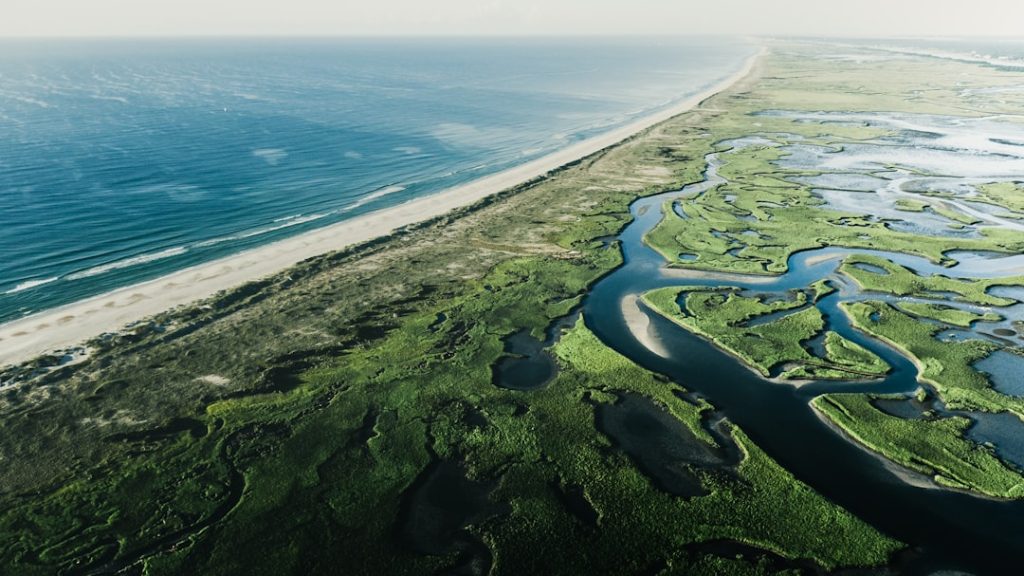
When we talk about the American Dream, the first images that usually pop into a Nepali mind are the neon lights of Times Square or the tech-heavy streets of San Francisco. But recently, a quiet revolution has been happening in the southeastern United States. A new hub is emerging, earning the affectionate nickname Mini Nepal America. North Carolina, once just another state on the map for many, has transformed into a vibrant sanctuary for thousands of Nepalis seeking a balance between modern Western opportunities and the deep-rooted comforts of home. For those of us watching from Kathmandu or living abroad, the rise of this community is more than just a demographic shift; it is a testament to how we carry our culture across oceans.
Table of Contents
The Geographic Soulmate: Why NC Feels Like Home
One of the primary reasons North Carolina has become a magnet for the Nepali diaspora is the sheer physical comfort of the landscape. If you drive west toward Asheville, the rolling hills and the majestic Blue Ridge Mountains offer a visual echo of the Nepali middle hills. While they may not reach the towering heights of the Everest region, the lush greenery, the winding roads, and the mist-covered peaks provide a sense of “apnapan” (belonging) that is hard to find in the flat plains of Texas or the concrete jungles of the Northeast.
Climate and Comfort
The weather in North Carolina is remarkably similar to the temperate climate of the Kathmandu Valley or the Pokhara region. You get four distinct seasons, but the winters are generally mild compared to the brutal snowstorms of New York or Ohio. For many Nepali in North Carolina, this means being able to maintain a garden with marigolds (sayapatri) and even some brave attempts at growing guava trees, keeping the Nepali diaspora lifestyle alive in a very literal, earthy way.
The “Research Triangle” – Where Career Meets Culture
North Carolina isn’t just about the scenery; it is a powerhouse of economic growth. The “Research Triangle Park” (RTP), which sits between Raleigh, Durham, and Chapel Hill, is one of the most prominent high-tech research and development centers in the world. This has attracted a massive wave of Nepali professionals, particularly those in IT, healthcare, and academia.
The USA Nepali community in this region is unique because it is heavily composed of skilled professionals and students. Unlike other states where the community might be scattered, the concentration around the RTP area has created a high-density “Nepal-town” vibe in suburbs like Cary and Morrisville. In these neighborhoods, it is not uncommon to hear Nepali bhasha being spoken at the local grocery store or to see groups of youngsters playing cricket in the public parks on a Sunday afternoon.
Preserving the Heritage: Food, Festivals, and Temples
What truly solidifies North Carolina’s status as a Mini Nepal America is the infrastructure of the community. It’s no longer just about individuals living near each other; it’s about the institutions they have built. From the Nepal Center (NC Center) to various community organizations, the social fabric is incredibly tight.
- The Festivals: Dashain and Tihar are celebrated with as much fervor as they are in Basantapur. Community halls are booked months in advance for Deusi-Bhailo programs, and the Jamara is grown collectively.
- The Food Scene: You don’t have to look far for authentic flavors. From high-end restaurants serving thakali sets to small eateries offering the spiciest jhol momos, the culinary landscape is thriving. Even American grocery chains in the area have started stocking wai-wai and chiura to cater to the growing demand.
- Spiritual Roots: The presence of temples and cultural centers allows the older generation, often visiting on parent visas, to feel engaged and spiritually connected, reducing the “social isolation” that many elderly Nepalis feel in the West.
The Role of the NC Nepali Academy
A major concern for the diaspora is the cultural gap between immigrant parents and their American-born children. In North Carolina, the community has tackled this head-on with initiatives like the NC Nepali Academy. Here, children learn to read and write the Devanagari script, practice traditional dances, and understand the history of their motherland. This commitment to heritage ensures that while the children grow up as Americans, their Nepali roots remain deep and watered.
The Growing Influence of the Nepali Diaspora Lifestyle
Living in this Mini Nepal America means you get the best of both worlds. You have the stability, infrastructure, and career growth of the United States, but you don’t have to sacrifice your identity. The Nepali diaspora lifestyle in North Carolina is characterized by “Chautari” style gatherings—barbecues that turn into late-night folk song sessions and hiking trips that feel like mini-treks.
The USA Nepali community here is also politically and socially active. They are increasingly involved in local town hall meetings and charity drives, often raising significant funds for relief efforts back in Nepal whenever a crisis hits. This level of organization has made the Nepali community one of the most respected immigrant groups in the state.
Practical Tips for Moving to North Carolina
If you are a student graduating soon or a professional looking for a change of scenery, North Carolina is a top-tier choice. However, moving to a Mini Nepal America requires some planning. Here is what you should consider:
- Focus on the “Triangle”: Look for jobs or universities in the Raleigh, Durham, or Cary areas. This is where the highest concentration of Nepalis lives.
- Join Social Media Groups: Before you move, join “Nepalese in North Carolina” or similar Facebook groups. The community is incredibly helpful with advice on housing, schools, and even finding the best masala tea in town.
- Transportation: Unlike New York, North Carolina is a “driving state.” You will likely need a car to navigate the sprawling suburbs and commute to work comfortably.
- Prepare for the “Purple” State: North Carolina is a mix of urban liberal hubs and conservative rural areas. It’s a diverse environment that requires an open mind and a willingness to engage with people from all walks of life.
Frequently Asked Questions (FAQ)
Is North Carolina expensive for Nepali students?
Compared to states like California or New York, North Carolina offers a much more affordable cost of living. While rent in the Research Triangle area has risen recently, it remains manageable, especially when compared to the high-tech hubs of the West Coast. There are also many reputable public universities with competitive tuition rates.
How can I find Nepali roommates in North Carolina?
The best way to find Nepali in North Carolina to live with is through community portals and Facebook groups. Most students and young professionals use these platforms to find shared housing in safe, convenient neighborhoods near the major universities like NC State, Duke, or UNC.
Are there many Nepali grocery stores in the state?
Yes! In cities like Morrisville and Cary, there are several dedicated Indian and Nepali grocery stores where you can find everything from gundruk and tama to specific brands of Nepali tea and spices. You will rarely feel like you are missing the ingredients for a proper home-cooked meal.
Conclusion
North Carolina has evolved from a quiet southern state into a vibrant, bustling Mini Nepal America. It offers a unique sanctuary where the USA Nepali community can thrive professionally without losing their cultural soul. Whether it’s the mountain air that reminds us of home or the warm community gatherings that keep our traditions alive, North Carolina proves that you don’t have to choose between your heritage and your future. As the community continues to grow, it serves as a beautiful example of how the Nepali spirit can flourish anywhere in the world.
Are you living in North Carolina or planning to move there? Share your thoughts in the comments below or tag a friend who needs to see why NC is the place to be! For more stories on the global Nepali diaspora, stay tuned to Trending Net Nepal.